Key points
- Restoration sorts water into three categories by how contaminated the source is: clean, significantly contaminated and grossly contaminated.
- A category describes the water and its history, not how it looks. Clear water can be contaminated, and cloudy water can be harmless.
- Water can move to a higher category if it sits, warms up or touches soiled materials.
- CDC says floodwater may contain sewage, and recommends throwing away items that cannot be disinfected, including drywall, rugs and cloth.
- The category is assigned on site by a technician. The industry standard is sold, so the descriptions here are the widely used general ones.
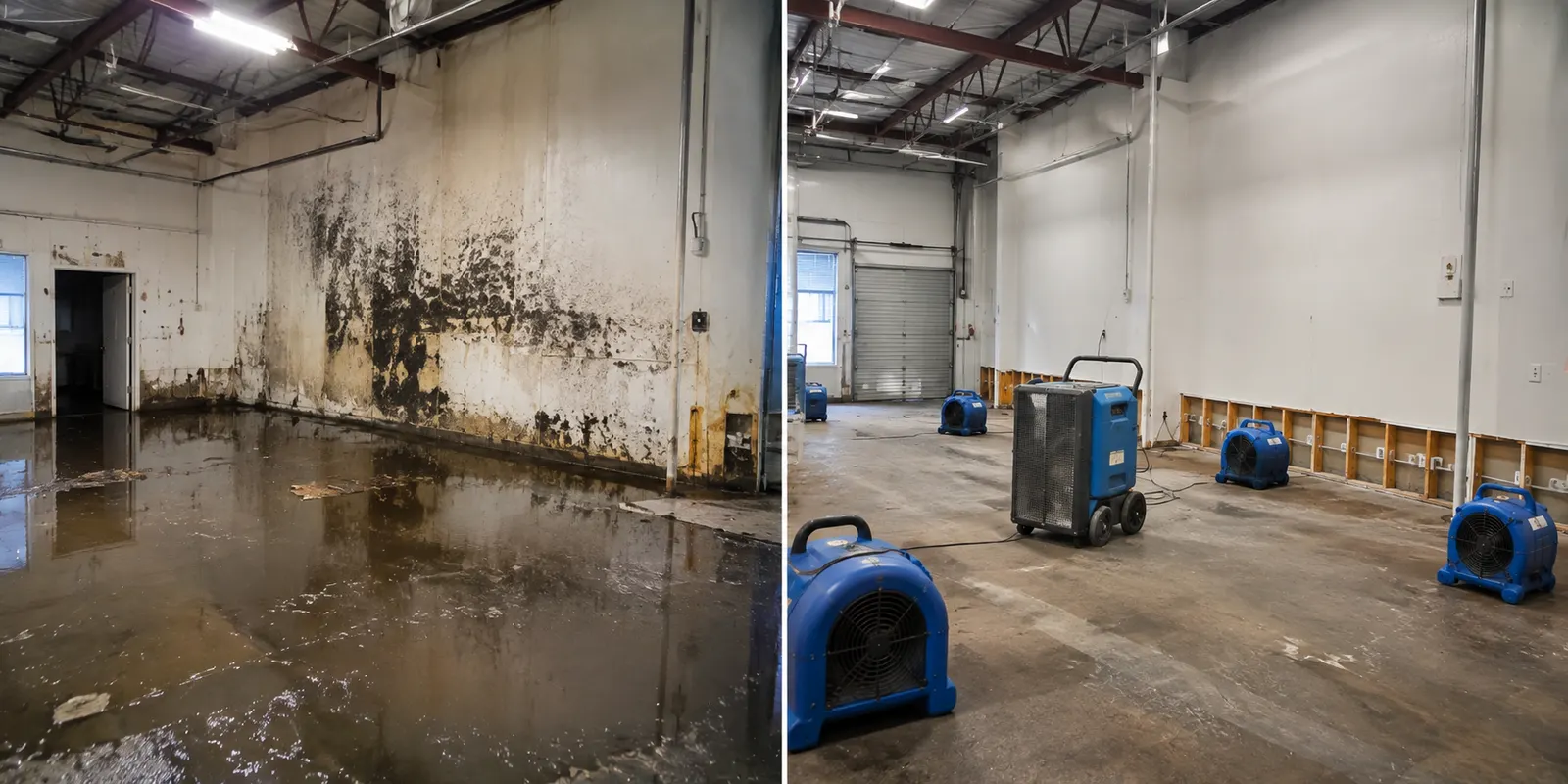
When a restoration company says the water is “category 3,” they are describing how contaminated it is and what that means for the job. The system is a way of deciding what can be dried and what has to be removed and discarded, and it explains many decisions that otherwise look arbitrary, such as why a soaked carpet comes out after a sewer backup but may stay after a burst supply line.
Why categories exist
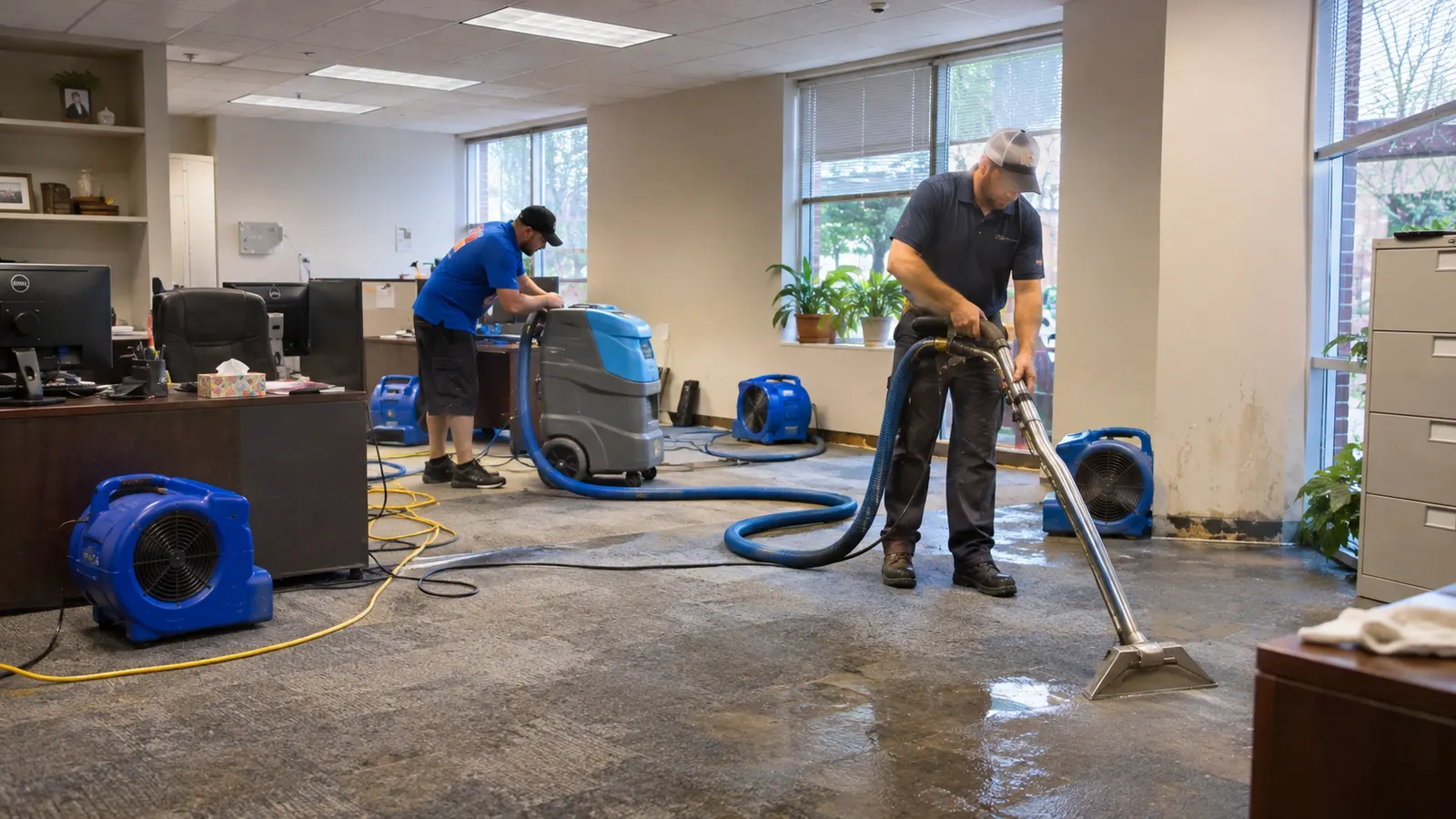
Water damage jobs differ mostly in how safe the water is to leave in a building. Clean supply water can be extracted and dried with ordinary precautions. Water that carries sewage or runoff cannot be left in porous materials, and technicians have to protect themselves and the rest of the building. A shared vocabulary lets the contractor, the insurer and the property owner talk about the same thing.
The three categories
schematicWater categories at a glance
General description of how the industry sorts water by source.
The word “gray water” in everyday use is loose. Plumbers and restoration technicians do not always mean the same thing by it, which is another reason to ask which category a contractor means and why.
When water changes category
The category is not fixed at the moment of the leak. Time, temperature and what the water touches can all move it up. A supply-line leak that soaks carpet and pad and then sits for days in a warm room is no longer in the same state as it was in the first hour, because bacteria multiply in wet materials. A clean leak that flows across a dirty floor, through a garage or over a soiled surface can pick up contaminants.
The reverse does not happen: sewage does not become clean with time. This is why the 24 to 48 hour window in EPA and CDC mold guidance is about more than mold. It is also about keeping a clean loss clean. See how long before mold grows.
What each category means for materials
| Material | Category 1 | Category 2 | Category 3 |
|---|---|---|---|
| Carpet | Often dried in place | May be dried; often removed | Removed |
| Carpet pad | Often replaced | Replaced | Removed |
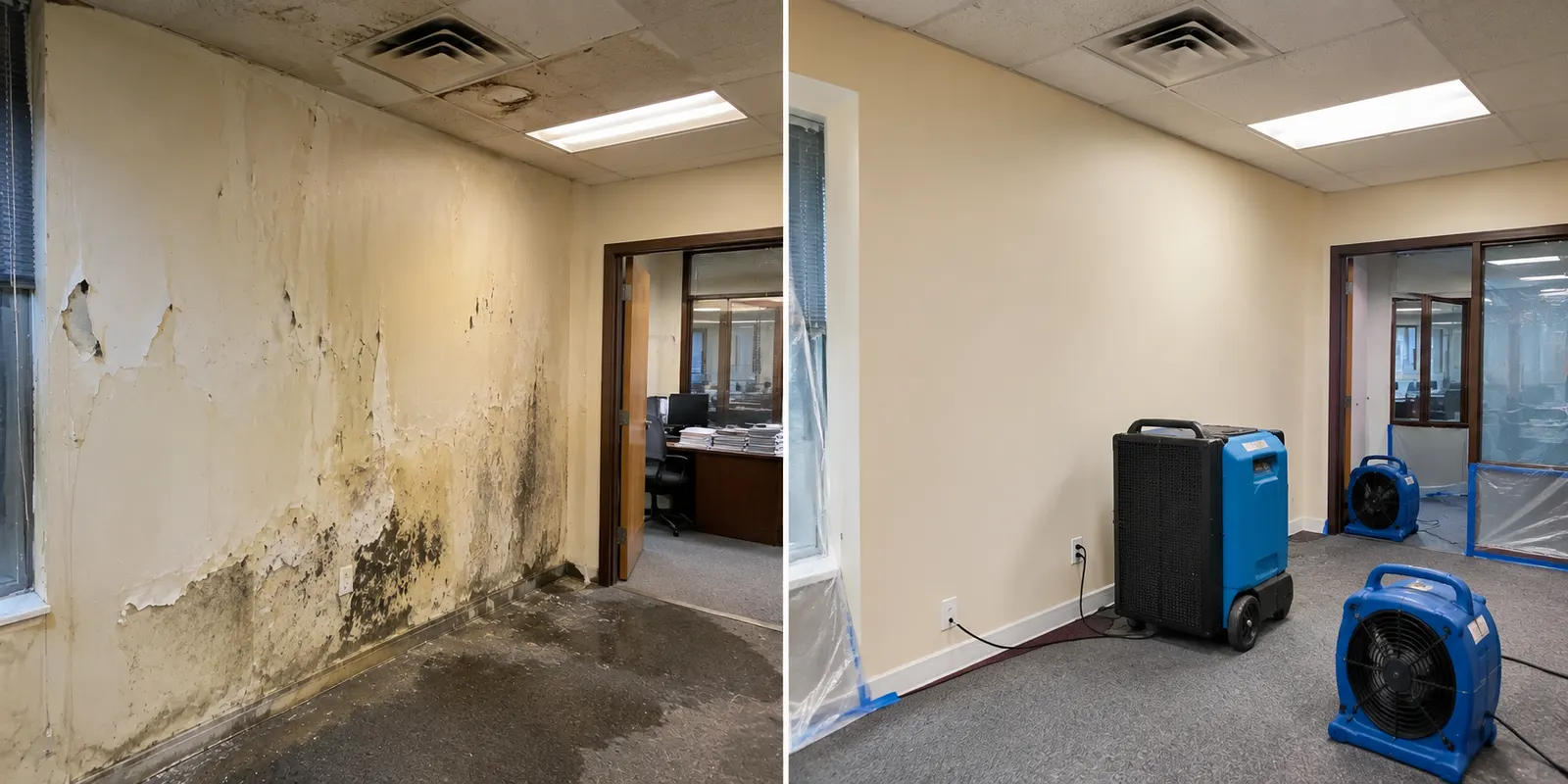
| Drywall, insulation | Dried if wet briefly | Often removed low | Removed above the contact line |
| Sealed concrete, tile | Dried | Cleaned and dried | Cleaned, sanitized, dried |
| Wood framing | Dried | Cleaned and dried | Cleaned, sanitized, dried |
| Upholstery, mattresses | Often salvageable | Questionable | Discarded |
General practice, not a rule for any job.
CDC’s flood cleanup pages give the same direction for floodwater: throw away items that cannot be disinfected, like wall coverings, cloth, rugs and drywall, and throw away food that may have come into contact with flood or storm water.
Examples by situation
The table gives the category a technician would usually start from for common events. It is a starting point, because time, temperature and what the water touched can change it.
| Situation | Usual starting point | Why |
|---|---|---|
| Supply line bursts in a wall | Category 1 | Clean source. Becomes less clean if it sits. |
| Water heater tank leaks | Category 1 | Clean source, though sediment and age can matter. |
| Dishwasher or washing machine overflows | Category 2 | Used water with detergent and food or soil. |
| Toilet overflows with clean water only | Category 2, sometimes 1 | Depends on what is in the bowl and how far it spread. |
| Rain through a roof into insulation | Category 1 or 2 | Starts clean but crosses roofing, dust and insulation. |
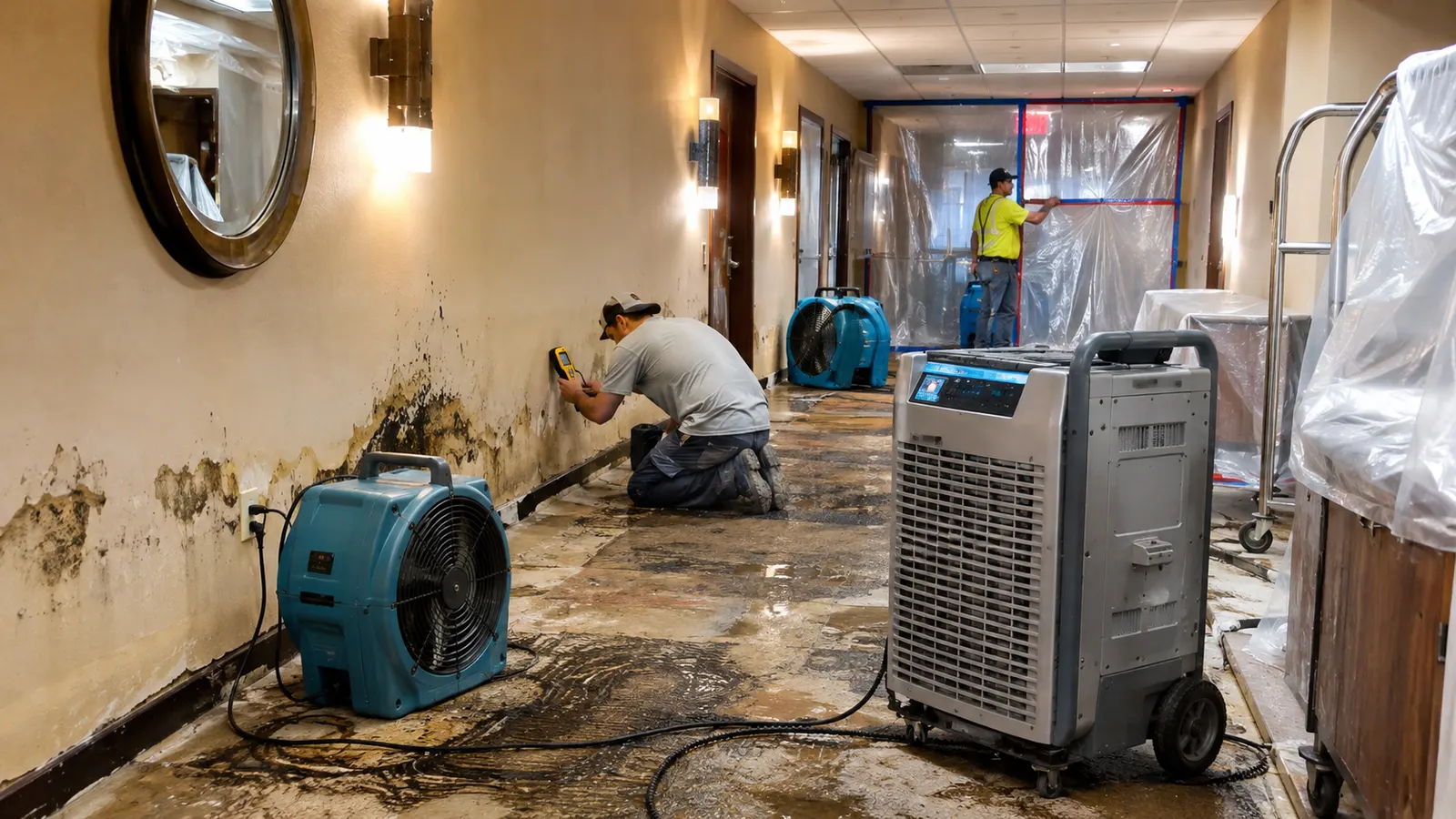
| Sewage backs up from a floor drain | Category 3 | Sewage is grossly contaminated from the start. |
| Storm water or creek water enters | Category 3 | Crossed soil and debris; CDC says floodwater may contain sewage. |
| Clean leak left for days in a warm closed room | Moves up | Microbes multiply in wet materials. |
General starting points, not a ruling on any loss.
What a contractor should explain
- Which category they believe applies and what they saw that told them.
- What would change their mind, such as a different source or a longer time.
- Which materials come out because of the category and which are being dried despite it.
- What protective equipment and containment they will use.
Categories versus classes
You may also hear “class 1 through 4.” That is a different scale. Categories describe how contaminated the water is. Classes describe how much water got into materials and how fast it will evaporate, from a small area with low-porosity materials at one end to a large amount absorbed into dense materials such as hardwood, plaster or concrete at the other. Class drives the amount of drying equipment and the time required. Category drives what must be removed. A loss has both.
Where category disputes come from
Disputes over category usually come from three places: the contractor and the insurer assign different categories, the homeowner is told materials must be thrown away and doubts it, or the water changed category over time and nobody wrote down when.
- Record the source. A photograph of the failed pipe, the overflowing appliance or the opening where storm water came in is the strongest evidence of the starting category.
- Record the timing. When you found the water, when it was stopped and how long materials stayed wet. Time can move the category up.
- Record contact. Whether the water crossed soil, a garage, soiled floors or a drain.
- Ask for the reason in writing. A good contractor can say why a material is coming out in terms of category, and an insurer can say why it disagrees.
- Do not rely on lab testing as a default. Category is normally assigned from source, history and conditions on site.
A category does not decide coverage. That depends on the policy and the cause of the loss. See the coverage post.
Why a website cannot assign one
The category depends on facts nobody can see from a photograph or a description: where the water came from, how long it has been there, what it crossed and what is in it. A technician can read signs on site: odor, discoloration, debris, the history of the source, the temperature and how long materials have been wet. That is why the tools on this site never assign a category, and why the water damage assessment tool asks about the source and time instead.
What to do before the technician arrives
- If the water came from outside, a drain or a sewer, stay out of it and keep others out. CDC says to wear rubber boots, rubber gloves and goggles if you must enter floodwater, and to wash hands with soap and water.
- EPA says that when sewage or other contaminated water caused the damage, you should call a professional with experience cleaning and repairing buildings damaged by it.
- Do not run the air conditioning or furnace if water or odor has reached the vents. See the safety guide.
- Write down where the water came from, when you found it and how long you think it had been running. Those facts are what the technician needs first.
- Photograph before anything is removed. The documentation checklist lists what to capture.
For the specific situations, see sewage backup cleanup and flood damage cleanup.
Common questions
Is rainwater clean water?
Not once it has entered a building. Water that came from outside has crossed roofs, soil and debris and is usually treated as contaminated. Rain that comes through a roof and soaks insulation can also pick up contaminants on the way down.
Who decides the category?
A trained technician, based on the source, the history of the water, how long it has been present and what it has touched. A phone description is not enough, and neither is a website.
Does category affect insurance?
It can affect scope, because contaminated water usually means more materials removed. Coverage depends on your policy and on the cause of the loss.
Can category 1 water cause illness?
It starts relatively clean, but anything that stays wet can grow bacteria and mold. That is why speed matters even with a clean supply leak.
If water is already in the building, call and describe it. Related service: Sewage backup cleanup.
Read about sewage backup cleanup →
Sources and further reading
- CDC, Floodwater After a Disaster or Emergency, protective gear, what to discard; updated August 24, 2026
- CDC, Reentering Your Flooded Home, electrical safety, mold, generators; updated August 24, 2026
- EPA, A Brief Guide to Mold, Moisture and Your Home, drying within 24 to 48 hours, 10 square feet, sampling, biocides, HVAC, sewage
- EPA, Mold Cleanup in Your Home, updated June 4, 2026
This article is general information from the Dallas Flood Guard editorial team. It is not medical, legal, engineering or insurance advice. Sources are linked above. See the editorial policy for how posts are researched and corrected.