Winter and freeze
Vacant House Winter Checklist for Burst Pipe Prevention
Traveling, a second home, a rental between tenants or an empty listing: a practical winter checklist for a house nobody is watching, with the two ways to protect the plumbing.
Traveling, a second home, a rental between tenants or an empty listing: a practical winter checklist for a house nobody is watching, with the two ways to protect the plumbing.
No water from a faucet in freezing weather? How to confirm a frozen pipe, thaw it safely, what never to use, when to stop and call a plumber, and what to check after the water returns.
Dallas freezes are short and rare, which is why plumbing is so exposed when one hits. What the DFW weather record shows, where pipes freeze first and a prep list by location.
A burst pipe and a flooded street are different events to an insurer. What Texas regulators and FEMA say is usually covered, what usually is not, and what the 30-day flood waiting period means.
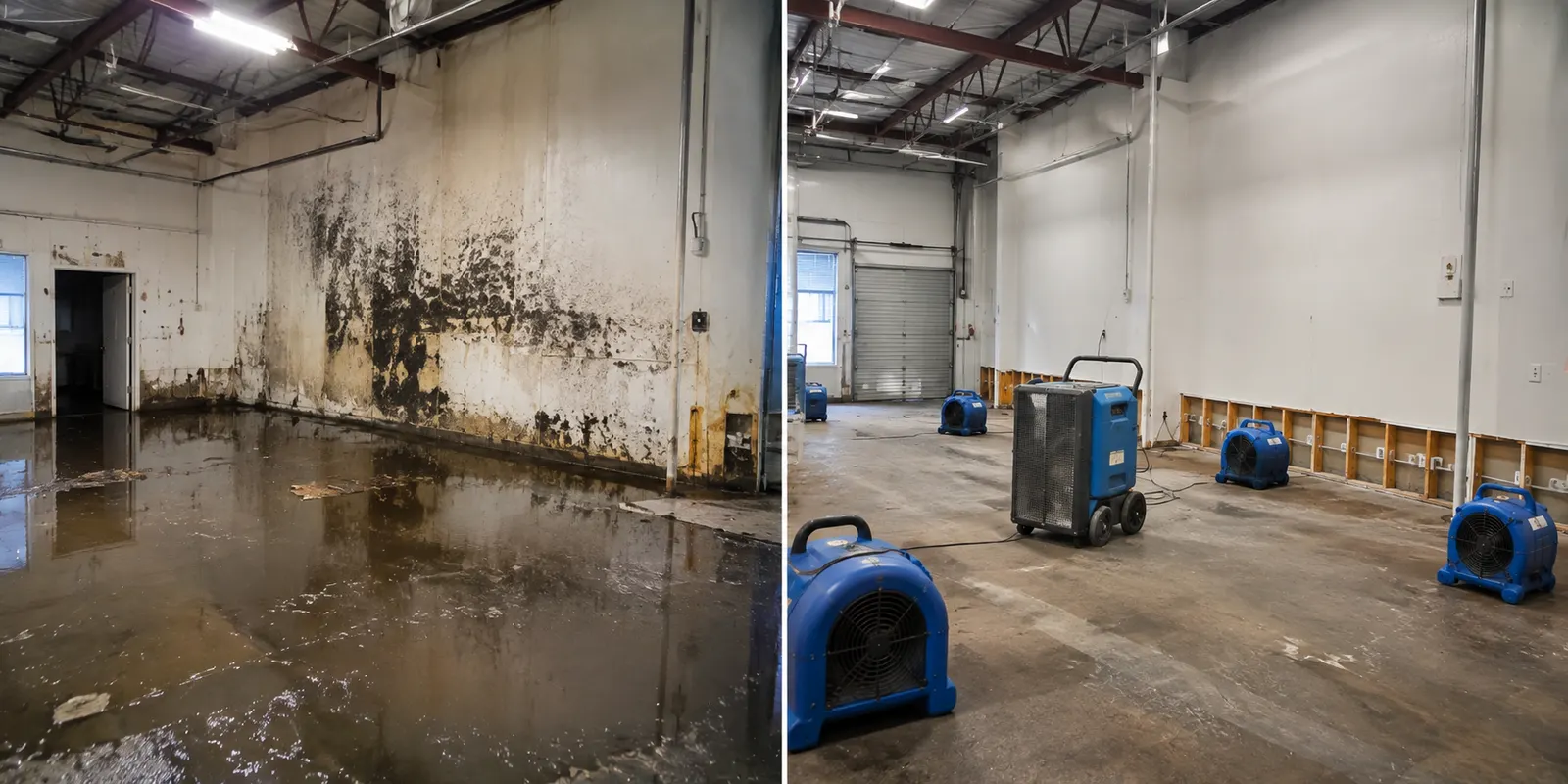
CDC does not recommend mold testing, and EPA says sampling is usually unnecessary when growth is visible. What testing can answer, what it cannot, and why Texas still uses assessors.
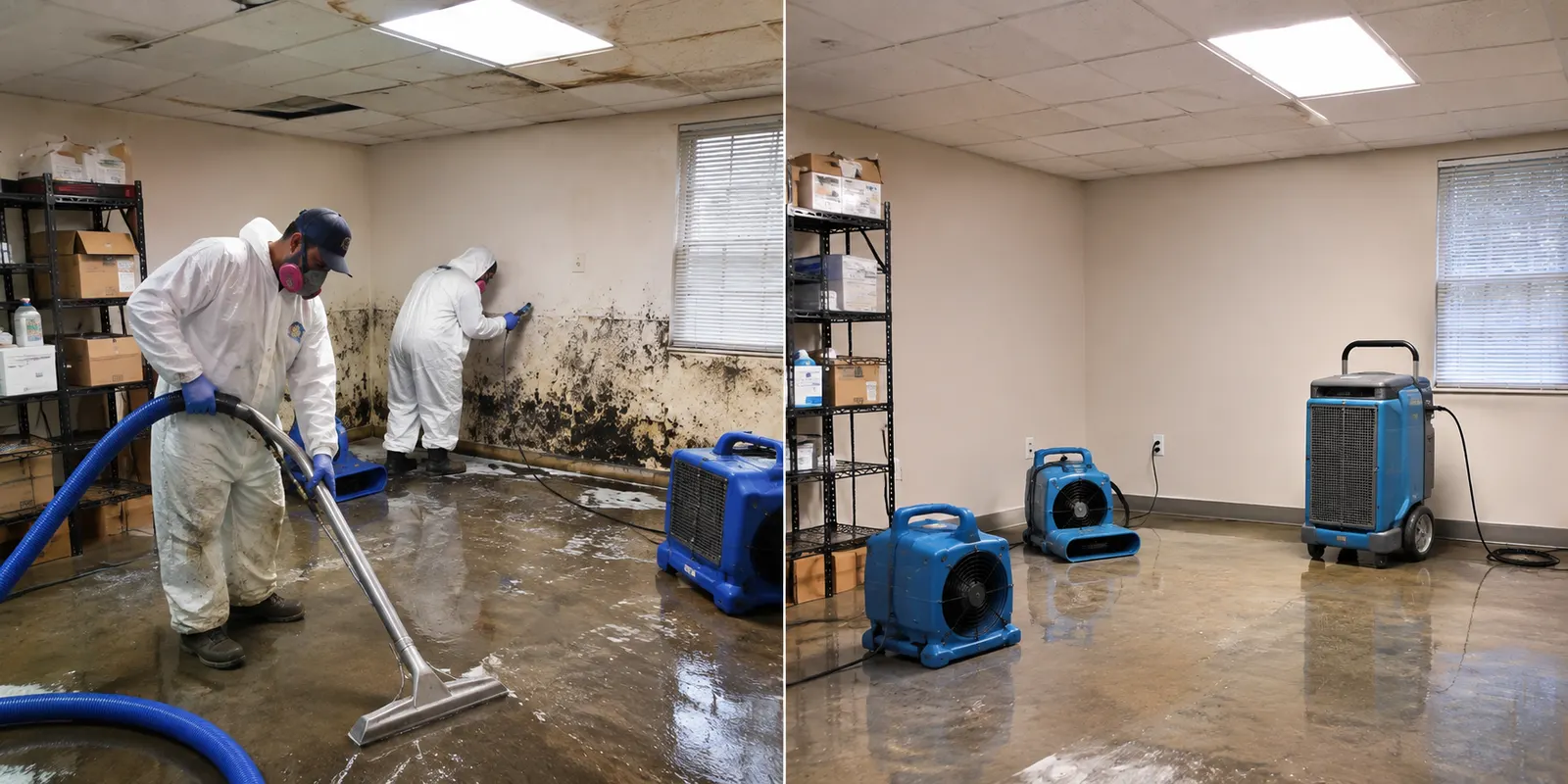
EPA and CDC both point to the same window: dry water-damaged materials within 24 to 48 hours. Here is what that means room by room, and what to do when the window has passed.
Texas licenses mold assessors and remediators and does not let one company do both on the same project. What the license covers, the 25 square foot exemption, how a protocol and clearance work, and what to ask.
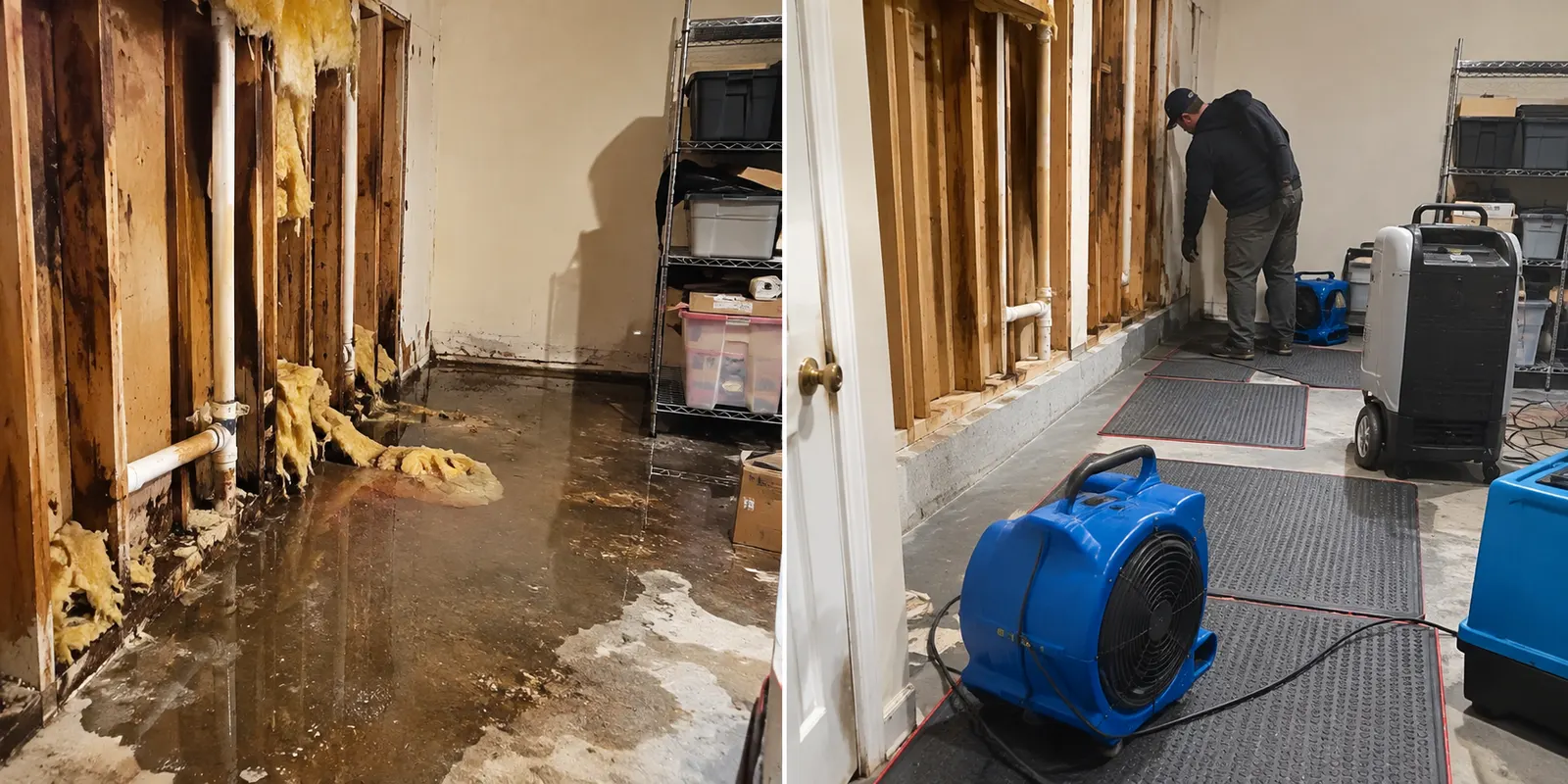
A frozen pipe often splits quietly and only starts leaking when the ice melts. How that works, why Dallas freezes make it common, how to find the leak and how to restore water safely.
A practical way to decide whether wet drywall can be dried in place or has to come out: the water source, how long it has been wet, whether it sags, what the meter says and what is behind it.
A shot list, a paperwork list and the Texas claim clock: what to photograph, what to keep, what to repair now and later, and the deadlines Texas insurers have to meet.
A minute-by-minute plan for the first hour after a pipe bursts: close the main, handle power safely, document the damage and make the calls in the right order.
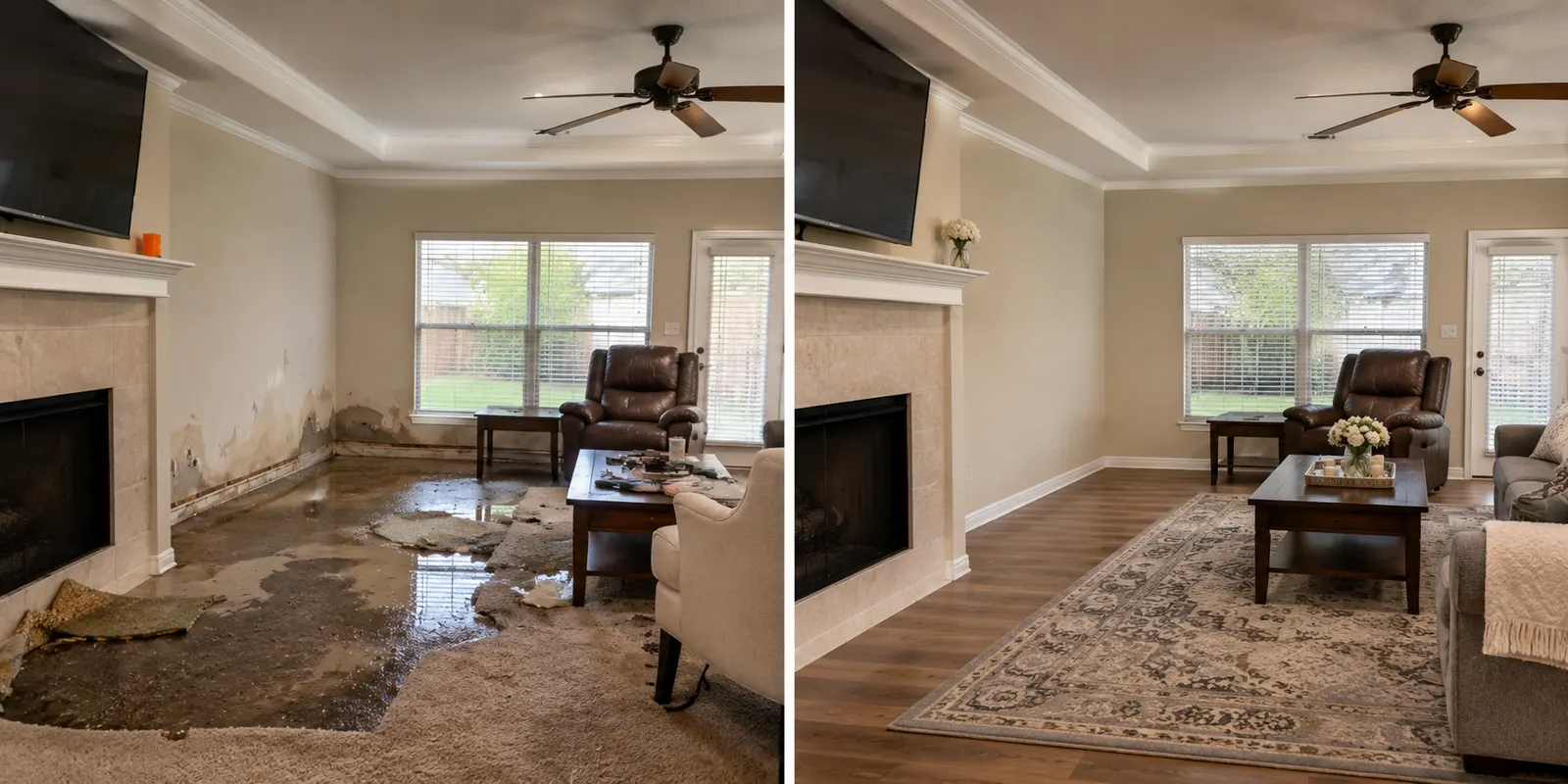
Which floors can be dried and kept after a leak and which usually have to be replaced: carpet and pad, laminate, engineered and solid hardwood, vinyl plank, tile and concrete.
What category 1, 2 and 3 water mean, why the same water can move up a category over time, which materials survive each one and why a website cannot tell you which you have.
A musty odor usually means moisture you have not found. A room-by-room way to track it down: sinks, appliances, the air handler, the attic, exterior walls and the crawlspace.
Six hazards decide whether you can stay: electricity, contaminated water, gas and carbon monoxide, ceilings, mold and slips. Here is how to check each one and when to leave.
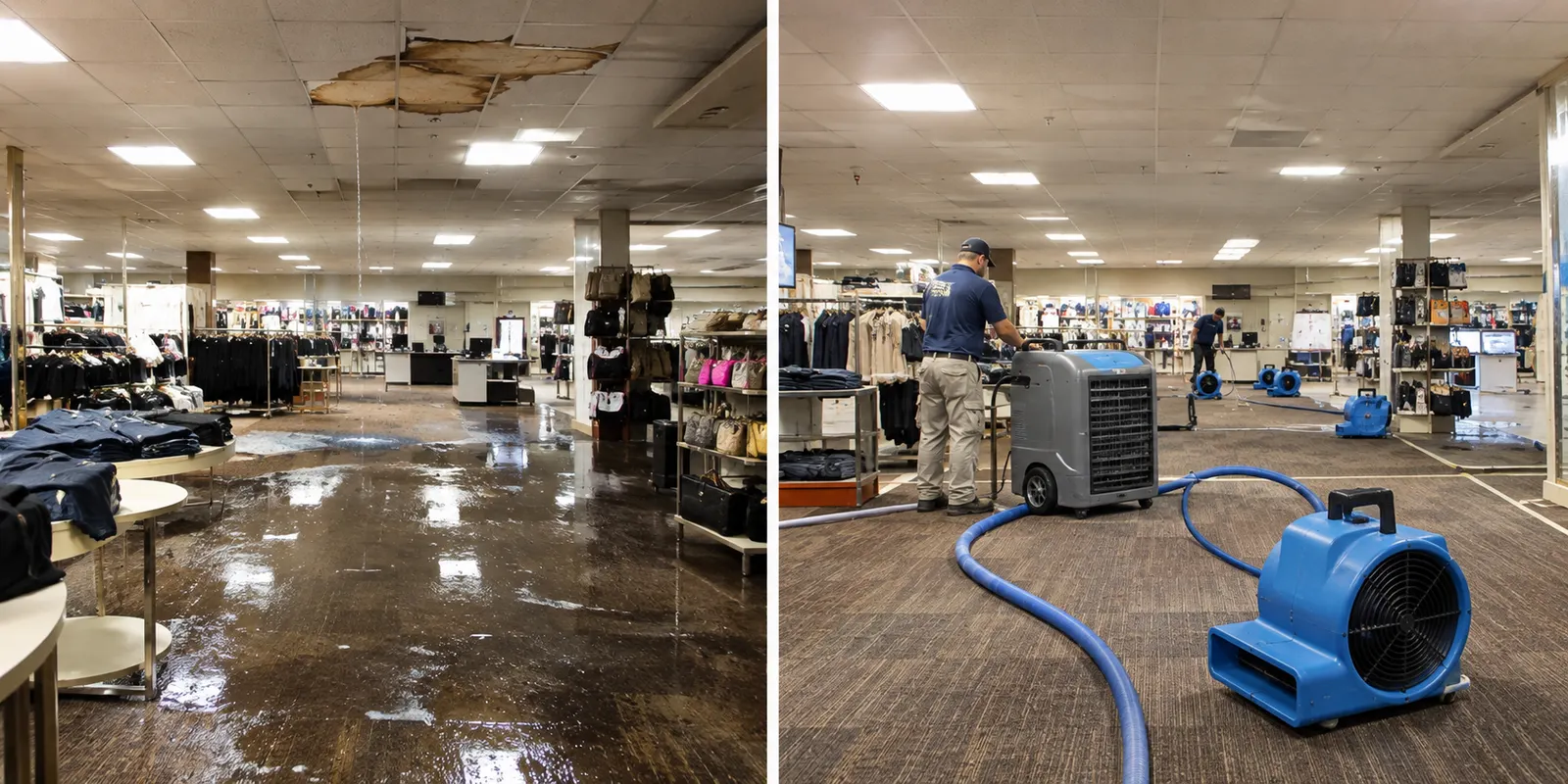
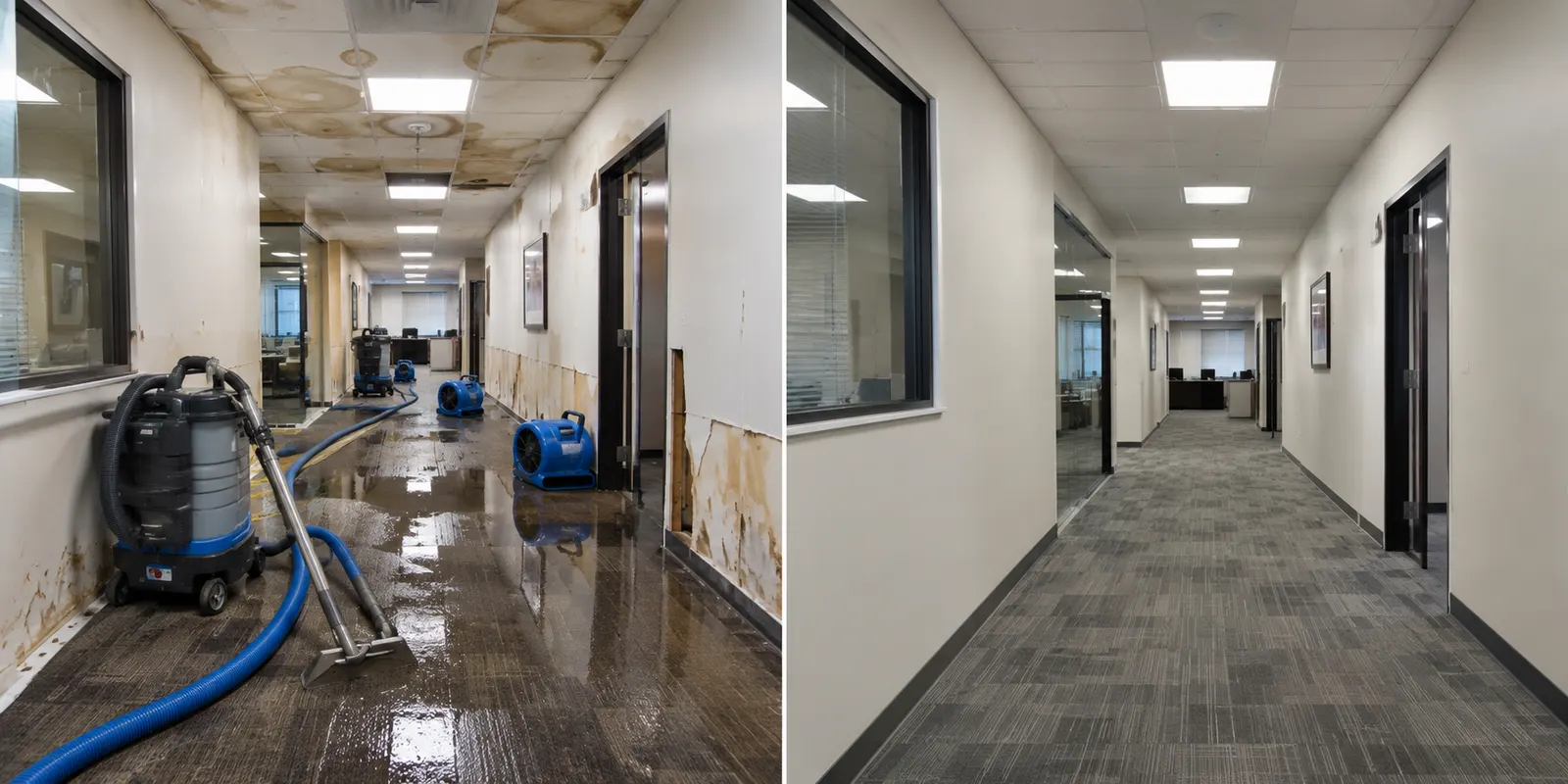
A time-boxed checklist for a water loss in an office, store, restaurant or multi-tenant building: shutoff, safety, tenants, documentation, drying and the reopening decision.
A step-by-step way to find a leak you cannot see, using EPA’s two-hour meter test, the toilet dye test and a winter bill check, plus the signs of a leak behind a wall or under a slab.
Where the main water valve usually is, the difference between the meter valve and the house valve, how to test it twice a year, and what to do when it will not close.
The NWS monthly rainfall normals for DFW, why May and October are the wettest, why averages hide the storms that matter and the four routes water takes into a building.
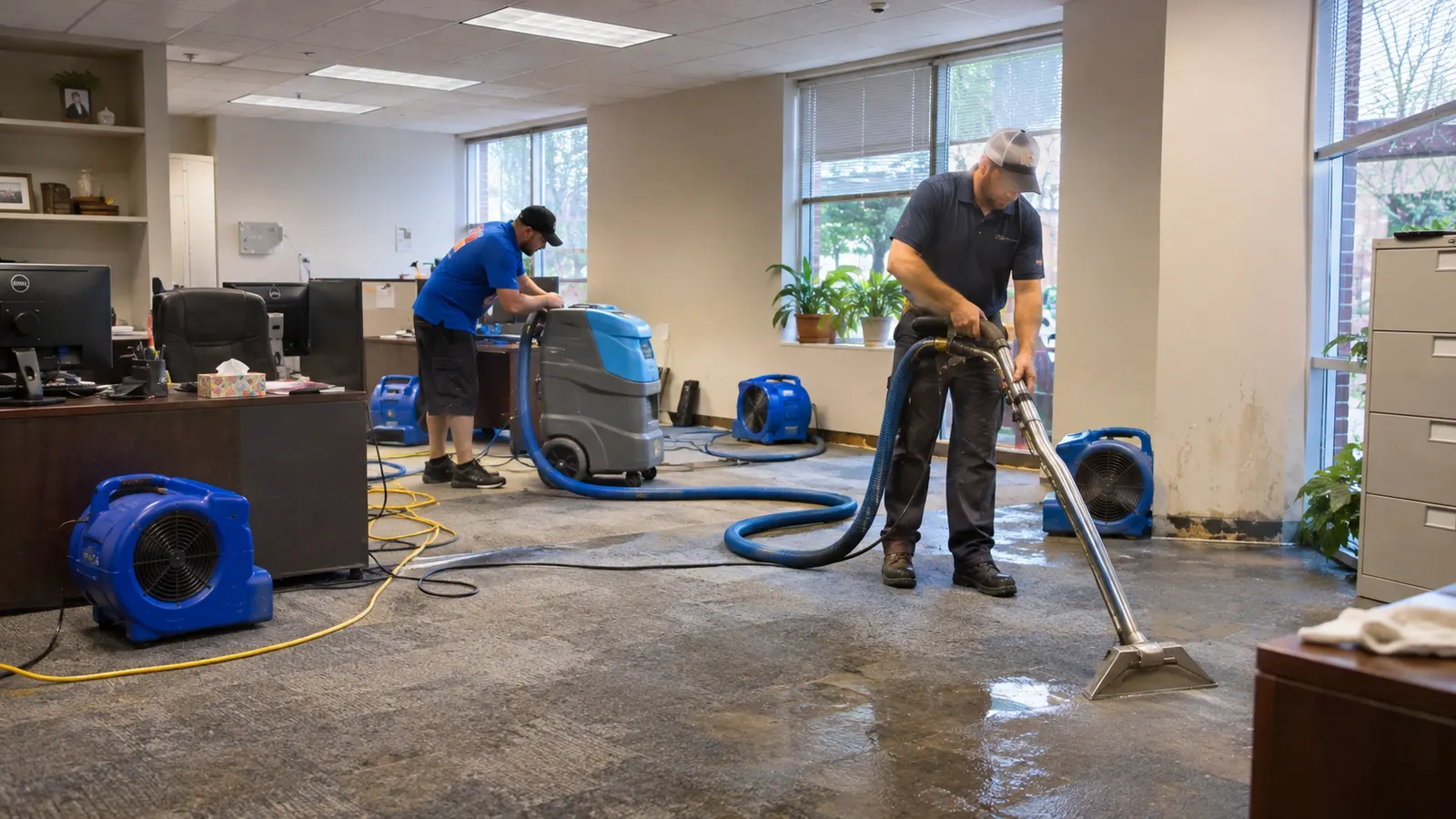
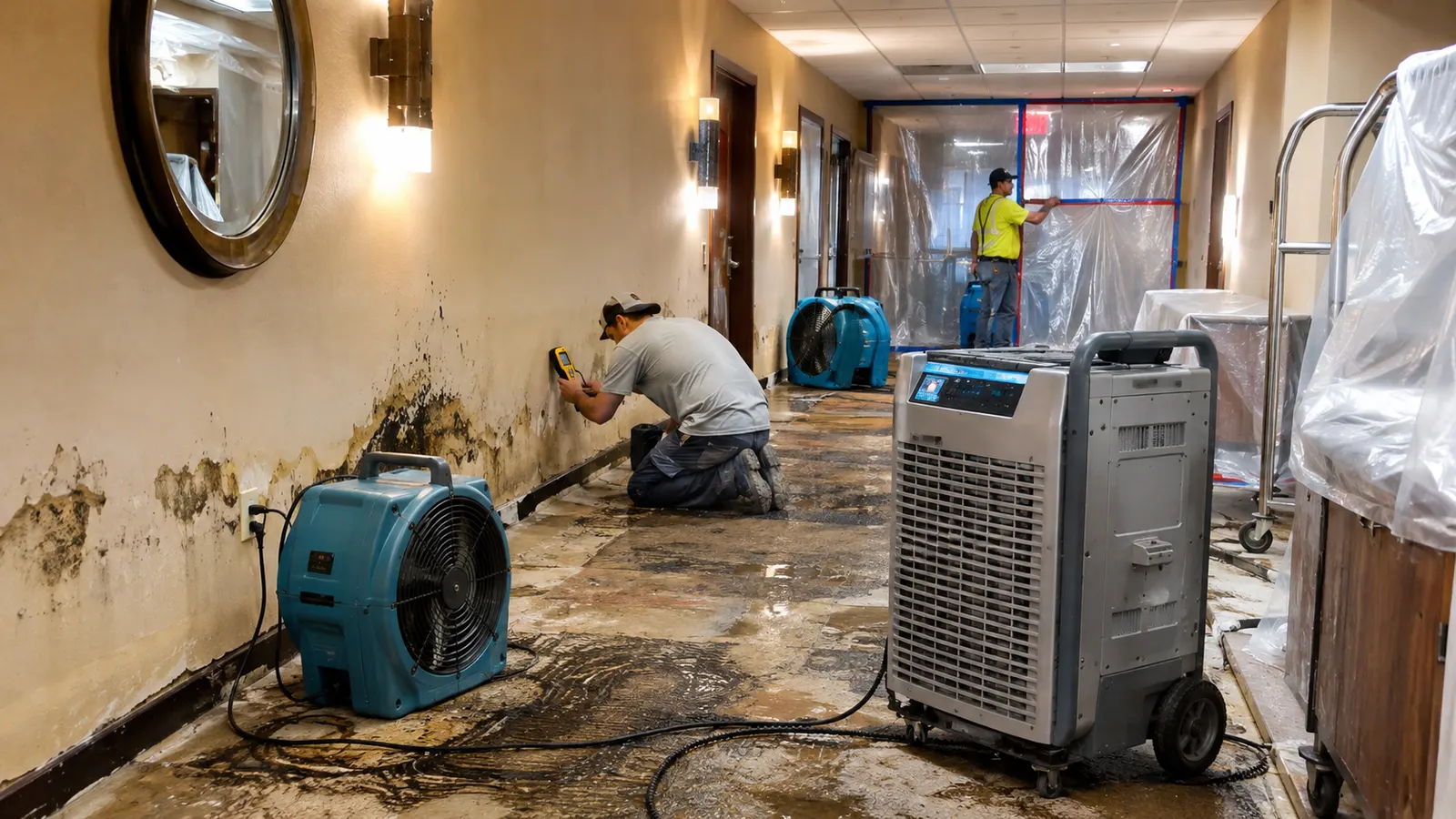
Why a house is not dry when the floor looks dry. How air movers, dehumidifiers and moisture meters work together, what the readings mean and why drying is stopped by numbers, not by days.