Key points
- The two questions that matter most are where the water came from and how long the board has been wet.
- CDC’s cleanup guidance says to throw away items that cannot be disinfected, including drywall, when floodwater is involved.
- Drywall that is sagging, crumbling, stained through or wet for days is usually replaced. Brief clean-water wetting can often be dried.
- Insulation behind wet drywall and the wall’s bottom plate often decide the plan.
- Painting or sealing over drywall that has not been verified dry traps moisture and invites mold.
There is no single answer to whether wet drywall can be saved, but there is a small set of questions that gets you to the right one almost every time. The two that matter most are what kind of water it was and how long the board has been wet. The rest is checking what the meter and the board itself tell you.
What drywall is, and why it matters
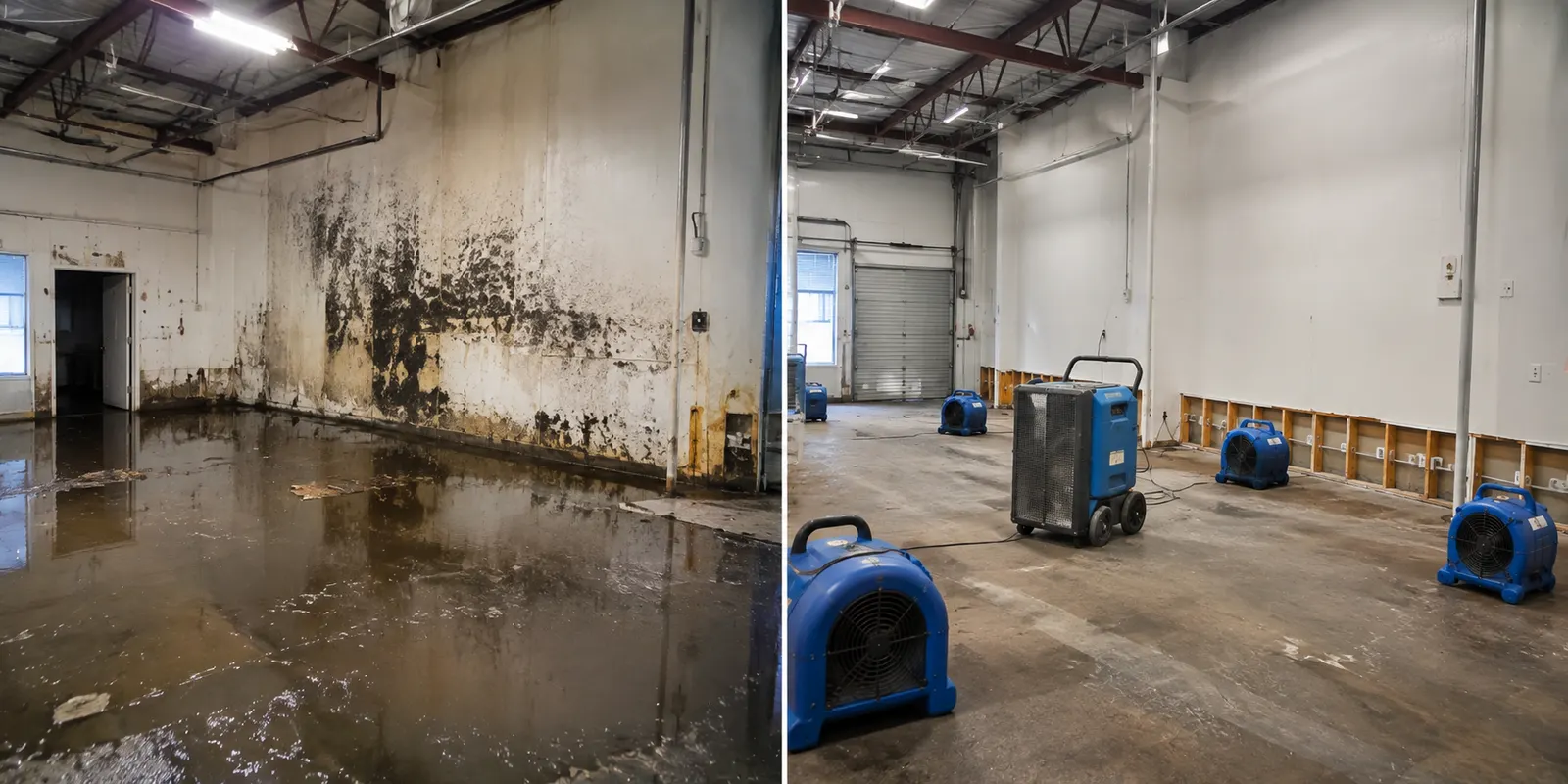
Drywall is a gypsum core with a paper face on both sides. Gypsum is soft and absorbs water, and the paper is organic and feeds mold. When the board is wet for a long time the core loses strength and crumbles, and the paper can delaminate and grow mold on the back where nobody sees it. When the board is wet briefly and dries fast, it often comes through with little more than a paint touch-up.
Drywall also wicks. Water at the bottom of a wall climbs the board by capillary action, so the damage reaches above the visible line. That is why the cut line is placed above the water line and not at it.
The questions that decide it
- Where did the water come from? A clean supply line is the most favorable. Floodwater, storm water and sewage are not. CDC’s flood cleanup guidance says to throw away items that cannot be disinfected, like wall coverings, cloth, rugs and drywall. See the water categories post.
- How long has it been wet? EPA says water-damaged areas and items should be dried within 24 to 48 hours to prevent mold growth. Past that, the odds shift.
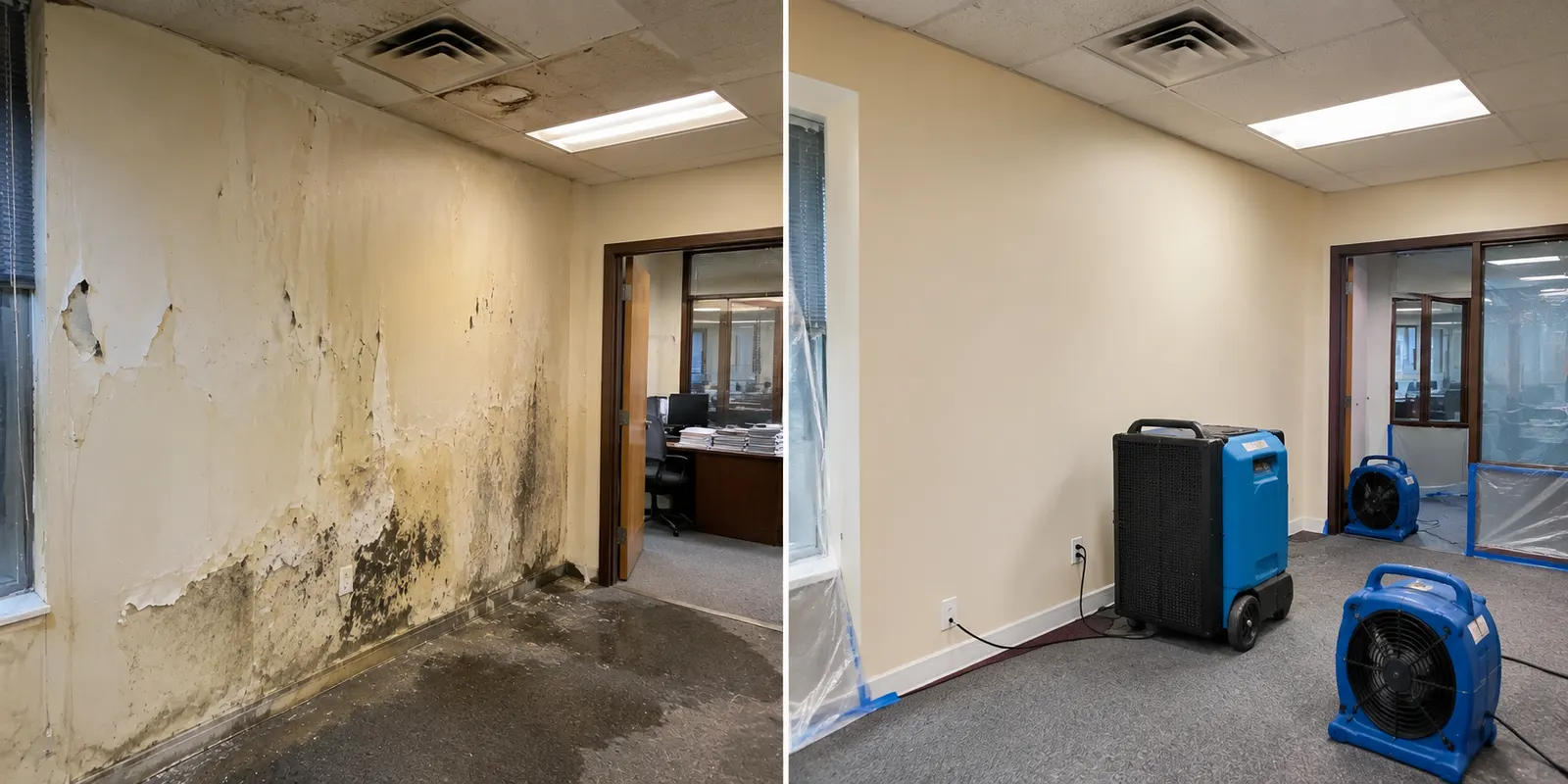
- What does the board look like and feel like? Sagging, bubbling, soft spots, crumbling edges, brown staining that has bled through and a musty smell all point to replacement.
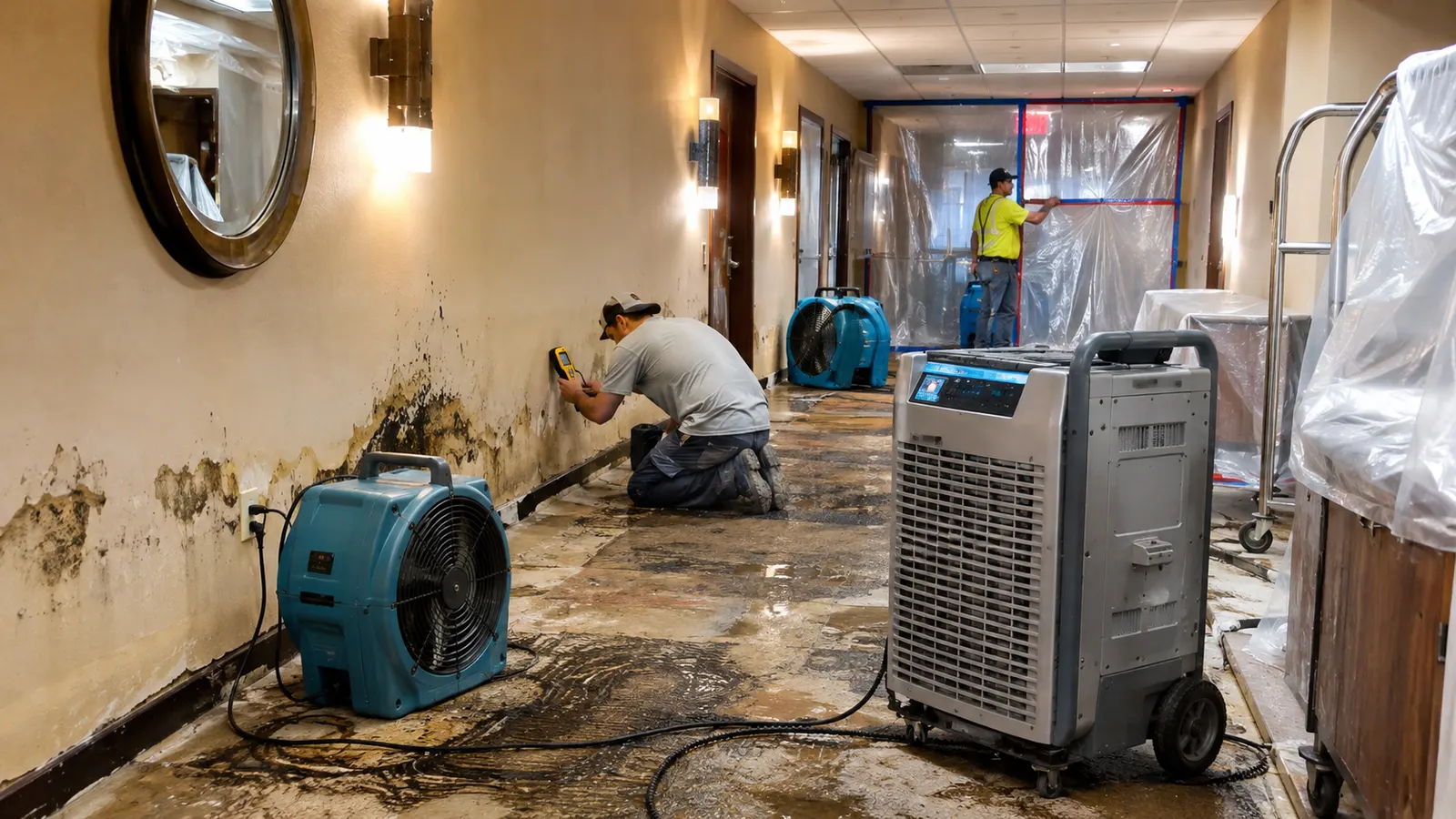
- What does the meter say? A moisture reading on the board and in the cavity behind it, compared against an unaffected wall, shows what is wet now.
- What is behind it? Wet insulation, a wet bottom plate and any ongoing leak change the plan.
A decision flow
schematicDry in place, or open and replace?
Go down the list. Stop at the first step where the answer is yes.
- 1Did the water come from outside, a drain or a sewer?YesRemove the affected board and clean and dry the framing.NoGo to question 2.
- 2Has the board been wet for more than about 48 hours, or is it sagging, soft or crumbling?YesPlan to replace it. Open the cavity to dry the framing and insulation.NoGo to question 3.
- 3Is there insulation or an unventilated cavity behind the wet area?YesOpen at least the lower part of the wall so the cavity can dry. Remove wet insulation.NoGo to question 4.
- 4After drying, do readings match an unaffected wall?YesKeep it. Note the readings, then repair finishes.NoKeep drying, then open the wall if readings stall.
How it is removed
Removal is done in a straight horizontal cut, typically above the visible wet line and often a foot or two above it when the water is contaminated or wicked high. A level cut leaves a clean edge for a patch, and it exposes the cavity so air can reach the studs and any insulation. Baseboards come off first and are kept if they can be reused. Behind the cut, the technician reads the studs and the bottom plate and pulls wet insulation. Taking the board off makes it possible to see mold, rot and the path the water took, which a surface reading cannot.
What is behind the board
- Fiberglass insulation that was wet briefly can sometimes be dried. Matted or saturated batts usually come out. Cellulose that gets wet usually has to go.
- The bottom plate is wood sitting on a slab or subfloor, and it stays wet longer than the board above it.
- Electrical boxes and wiring inside the wet part of the wall should be checked by an electrician before the circuit is energized.
- Vapor-resistant coverings such as vinyl wallpaper or heavy paint can trap water in the board and slow drying a great deal.
A worked example with the wall behind the kitchen sink
Take a hypothetical: a supply fitting under the kitchen sink drips for several days, and the drywall at the back of the cabinet is damp. What happens next is a good illustration of the questions above.
- Source and time. A clean supply line, a few days. That is favorable on the first question and past the 48-hour guidance on the second.
- The board. The paper is stained and the board is soft near the floor. A meter reads high at the bottom and falls off higher up. That points to wicking from the base.
- The cavity. The cabinet back is removed. The bottom plate reads wet and the insulation, if present, is damp.
- The decision. The lower section of board is cut out above the wet line, the cavity is dried with air movers and a dehumidifier, and the board is replaced after readings are normal. The upper board stays.
The result is a small repair. If the same fitting had dripped for months, the bottom plate might be rotted and the cabinet base swollen, and the job would be bigger. The difference is time, which is why a small leak is worth fixing the day you find it.
Checking a wall yourself
- Look for staining, bubbling paint, and seams that are peeling or soft.
- Press gently at the bottom of the wall. Drywall that gives under a thumb is wet or damaged.
- Smell the area. A musty smell near a wall base suggests moisture inside.
- Photograph everything first, then use a moisture meter if you have one. Compare against a wall you know is dry.
If it stays
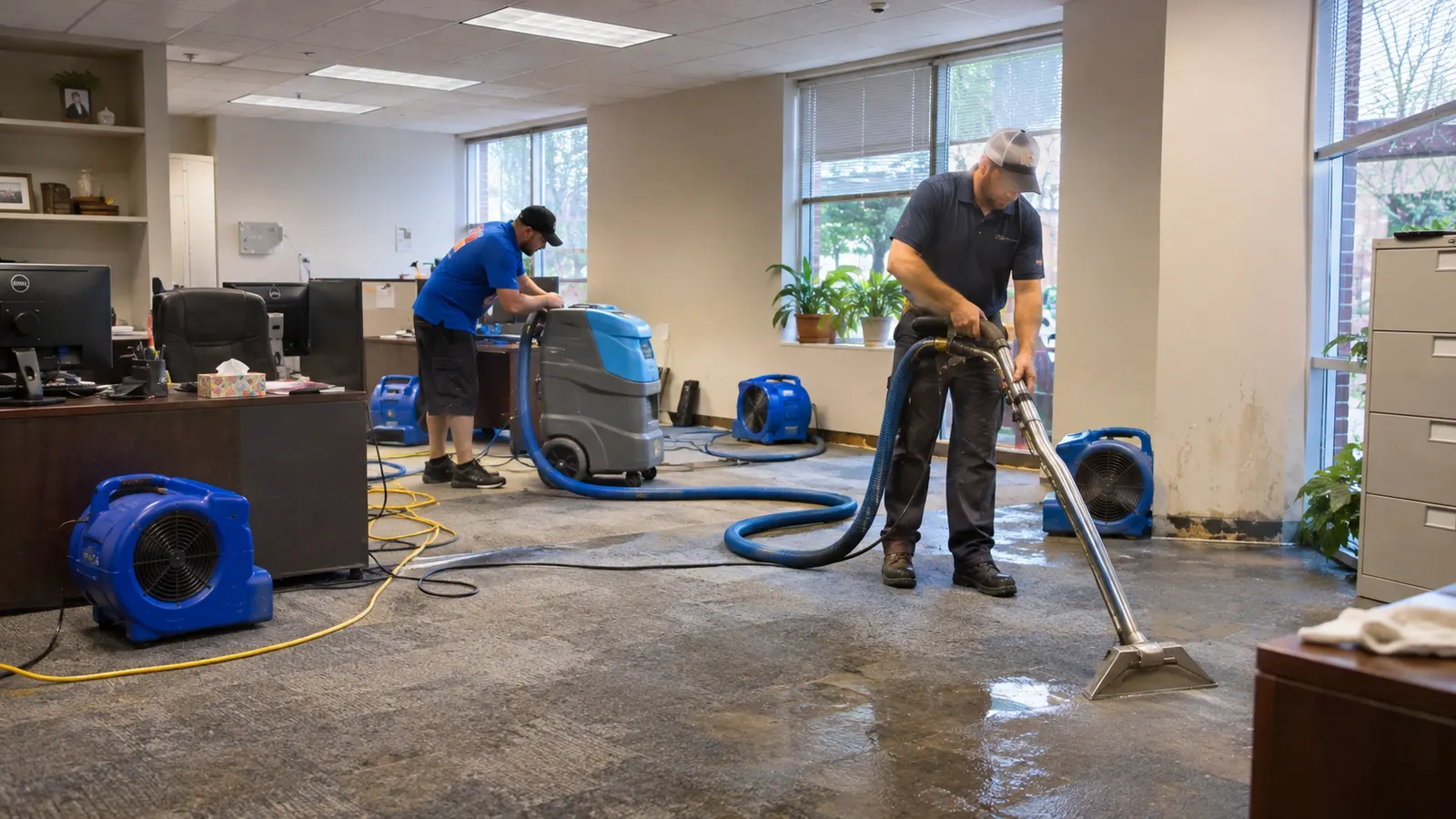
Drywall that is dried in place is dried with air movers and dehumidifiers and read until it matches dry reference readings. See how structural drying works. After that, the repair is cosmetic: spot priming, texture and paint. If the board stayed wet for days, keep an eye on it for a few weeks for staining or odor, which can point to moisture trapped behind a surface that read dry.
Finishing the repair with tape, texture and paint
Once the wall reads dry, the repair is carpentry. The board is cut to studs, new board is hung, the joints are taped and finished, the texture is matched and the wall is primed and painted. Matching texture is the part that shows: Texas houses commonly have orange peel or knockdown textures, and a patch that does not match shows in raking light.
- Use a stain-blocking primer on any area that was stained, but only after readings are normal.
- Paint the whole wall to a corner when color does not match, to avoid a visible patch.
- Moisture-resistant board, the kind sold for bathrooms, resists moisture better than ordinary board. It is not waterproof, and it still has to be replaced if it is soaked.
- If a section was opened to dry, leave it open until the readings are in range, and tell the contractor the cavity was wet.
The repair is the last step, not the first. Closing a wall before it is dry is the most common way a water loss turns into a mold problem a few weeks later.
Common mistakes
- Painting too soon. Primer and paint over damp board hide the evidence and trap the water.
- Drying only the surface. A heater or fan against the face does little for the cavity.
- Cutting too low. Cutting at the visible water line leaves wicked, wet board above it.
- Leaving wet insulation in place because the board looks fine.
- Throwing everything out before documenting it. Photograph first. The documentation checklist lists what to capture.
If you are unsure which category your situation falls in, call and describe the source and the time. The water damage assessment tool organizes those details.
Common questions
Can wet drywall be saved?
Sometimes. Drywall that was wet briefly with clean water and has not sagged or softened can often be dried in place, with readings to confirm. Drywall exposed to floodwater or sewage, or wet for days, is usually removed.
How high is drywall cut after a flood?
It is typically cut above the visible water line, because water wicks upward, often a foot or two higher for contaminated water. The exact height is set by readings and by what is behind the board.
Will it show if drywall is still wet inside?
Not reliably. A wall can look and feel dry at the surface while the bottom of the cavity reads wet. Moisture meters and thermal imaging are how that is found.
Is it okay to just paint over a water stain?
Only after readings show the board and the cavity are dry and the source is fixed. Stain-blocking primer over a damp board hides a problem that comes back.
If water is already in the building, call and describe it. Related service: Flood damage cleanup.
Read about flood damage cleanup →
Sources and further reading
- CDC, Floodwater After a Disaster or Emergency, protective gear, what to discard; updated August 24, 2026
- EPA, A Brief Guide to Mold, Moisture and Your Home, drying within 24 to 48 hours, 10 square feet, sampling, biocides, HVAC, sewage
- CDC, About Mold, 24 to 48 hour cleanup guidance, testing, who is affected
This article is general information from the Dallas Flood Guard editorial team. It is not medical, legal, engineering or insurance advice. Sources are linked above. See the editorial policy for how posts are researched and corrected.